Cozy Home Office Aesthetic: How to Make Your Desk Feel Like a Place You Want to Be
The specific elements that make a workspace feel warm, calm, and inviting, and how to add them without a full redesign.
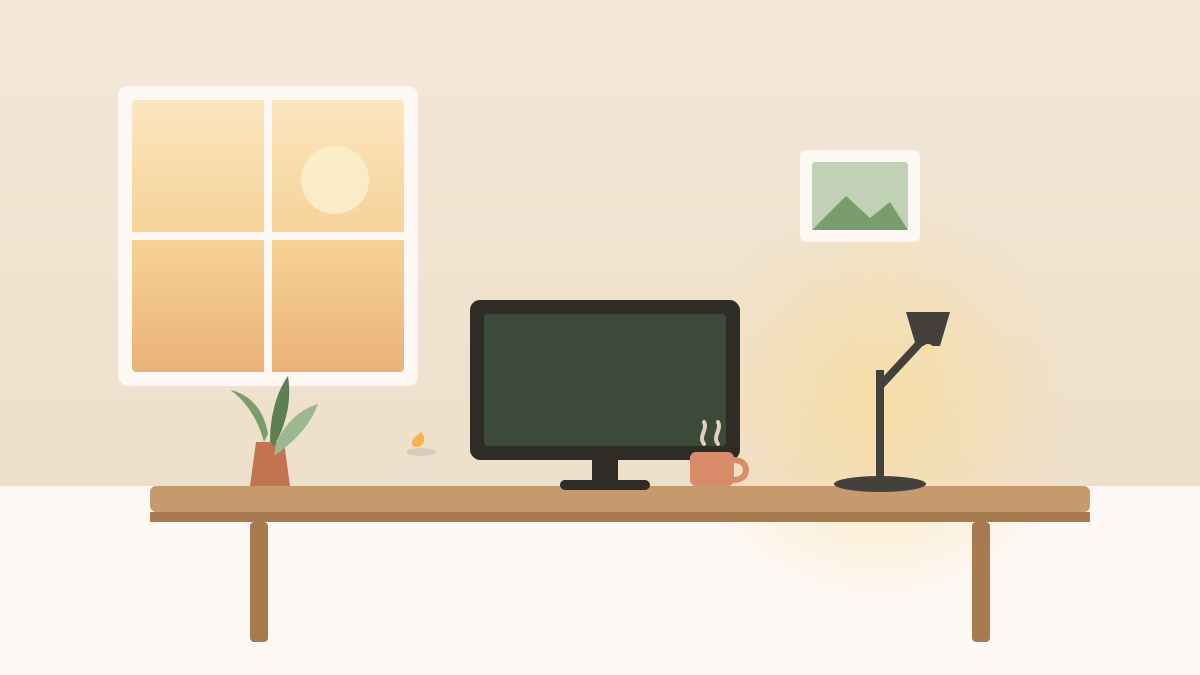
A workspace that feels good to sit down in isn't an accident. There are specific, repeatable elements that create that atmosphere, and most of them are small, inexpensive additions.
Light is doing more work than you think
Overhead LED light (especially the blue-white light most ceiling fixtures produce) creates a flat, slightly clinical feel. Warm light, around 2700K to 3000K color temperature, changes the entire mood of a room.
The simplest fix: add a warm-toned desk lamp and switch it on instead of the overhead light during work hours. The desk becomes noticeably more inviting.
For evening work, bias lighting behind the monitor (a LED strip at 2700K) reduces eye strain and adds a calm ambient glow.
Warm tone desk lamps →Bias lighting LED strips →
One plant, positioned correctly
Plants add life to a workspace in a way that's hard to replicate with other objects. But the positioning matters: a plant placed on or immediately next to the desk occupies prime real estate. Better positions: on a shelf above eye level, on a windowsill beside the desk, or on a small plant stand in the corner of the setup.
The best desk plants for low-light, inconsistent-watering environments:
- Pothos: trails, grows fast, very hard to kill
- ZZ plant: thrives on neglect, architectural shape
- Snake plant: air-filtering reputation, sculptural, extremely tolerant
Plant stands for desk setups →
Texture on the desk surface
A plain desk surface is the visual equivalent of silence. Adding one material contrast (a woven desk pad, a small tray in a different material, a ceramic mug for pens) breaks the monotony without adding visual clutter.
Leather or vegan leather desk pads do the most work here: they add texture, define the work zone, and make everything placed on them look more deliberate.
Scent as underrated atmosphere tool
This is the most overlooked element in workspace design. A candle (unlit, for wood-safety), a small diffuser with a focused scent like cedar or eucalyptus, or even just good air circulation makes the space feel more considered.
The connection between scent and focus is well-documented. A consistent workspace scent can also become a focus cue over time.
The color temperature of your screens
Most monitors default to a cold, blue-biased color temperature. For all-day desk work in a warm-aesthetic setup, this creates visual dissonance. The screen looks clinical against warm surroundings.
f.lux (free software) or your monitor's built-in warm mode shifts screen color temperature toward amber during evening and morning hours. It looks jarring for the first day and then you can't work without it.
What doesn't actually work
Too many small decorative objects: creates visual noise that feels stressful rather than cozy. One meaningful object beats five decorative ones.
Matching everything to an aesthetic: the setups that look lived-in and warm are usually the ones with one cohesive base (neutral tones, consistent wood finish) and then one element that's personal. The overly-curated setups tend to look like a product photo rather than a place where someone actually works.
Hiding all personality: the most inviting workspaces have one thing that says something about the person using them: a specific book, a photo, an object with a story. That's what makes a setup feel human.
As an Amazon Associate I earn from qualifying purchases.
Found this helpful? Save it on Pinterest or share it with someone setting up their home office.
Browse more posts →